ASHLAND
A year in the life of a California Native succession garden planted (mostly) from seed.
OCTOBER
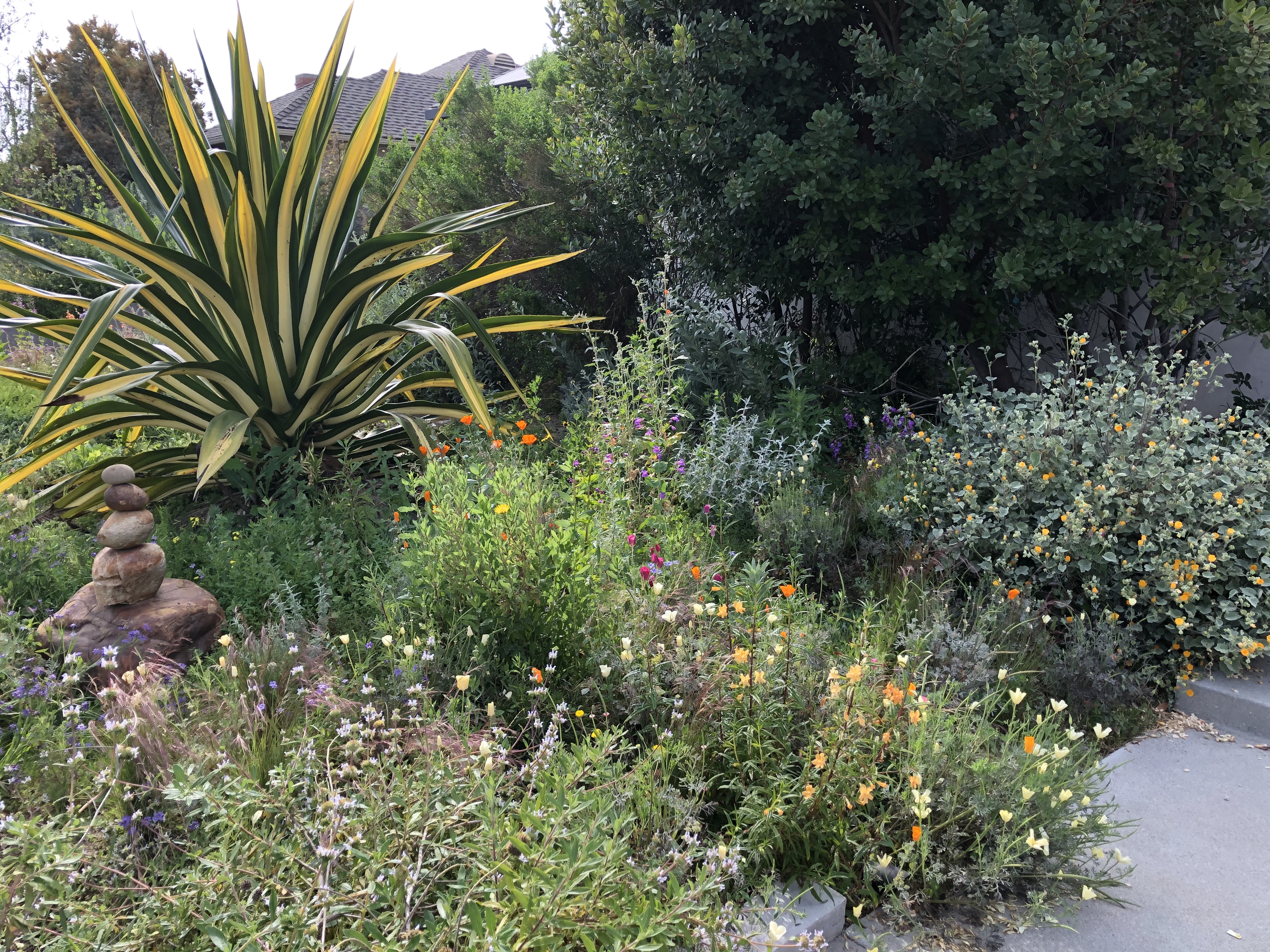
APRIL: Post-rain, it’s peak Poppy bloom, long work calls enlivened by weeding.
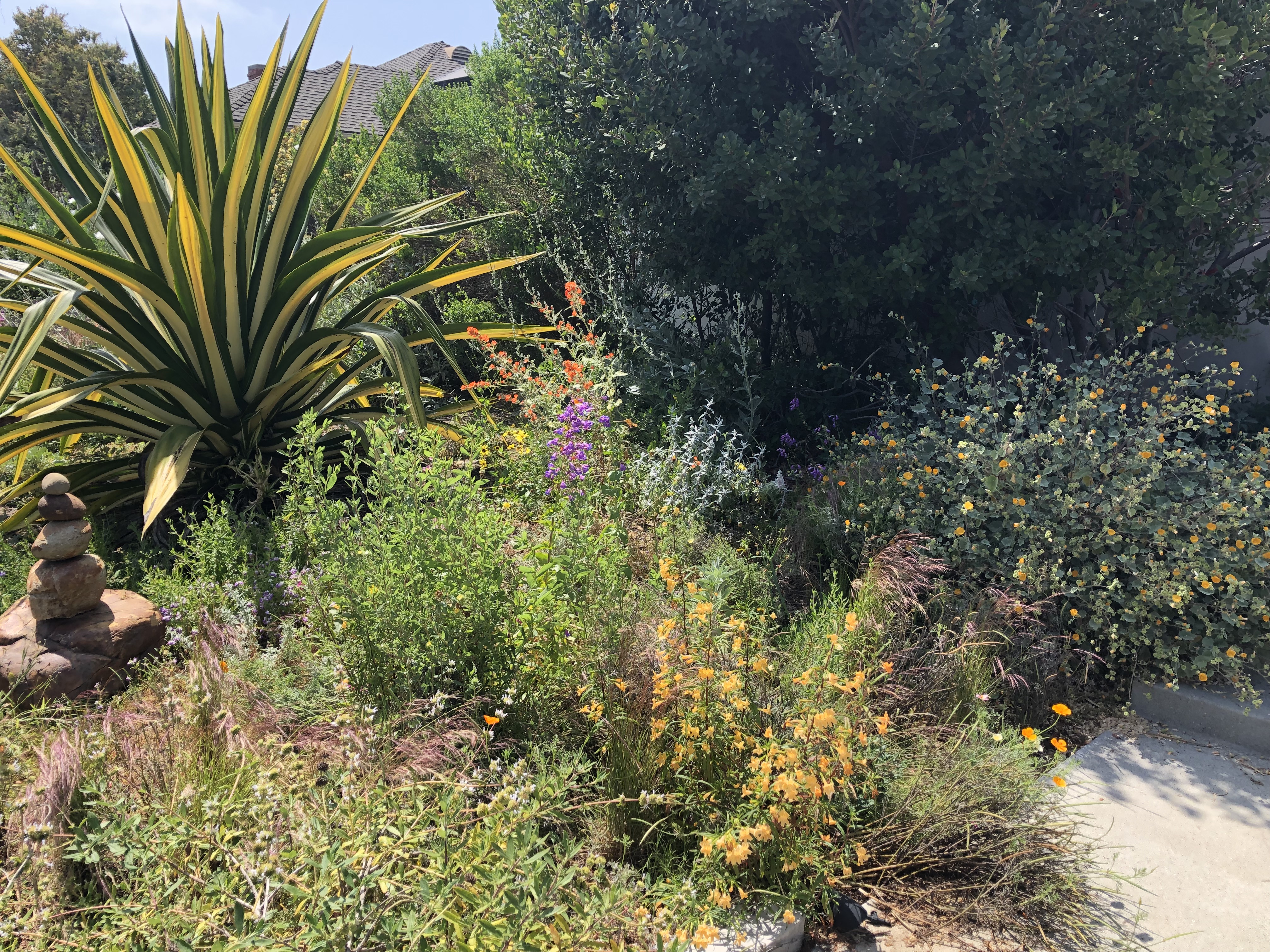
MAY: Monkeyflowers, Penstemon, Sphaeralcea, Salvias all blooming, Aristida purpurea is established and brilliant purple, Poppies starting their dormancy.
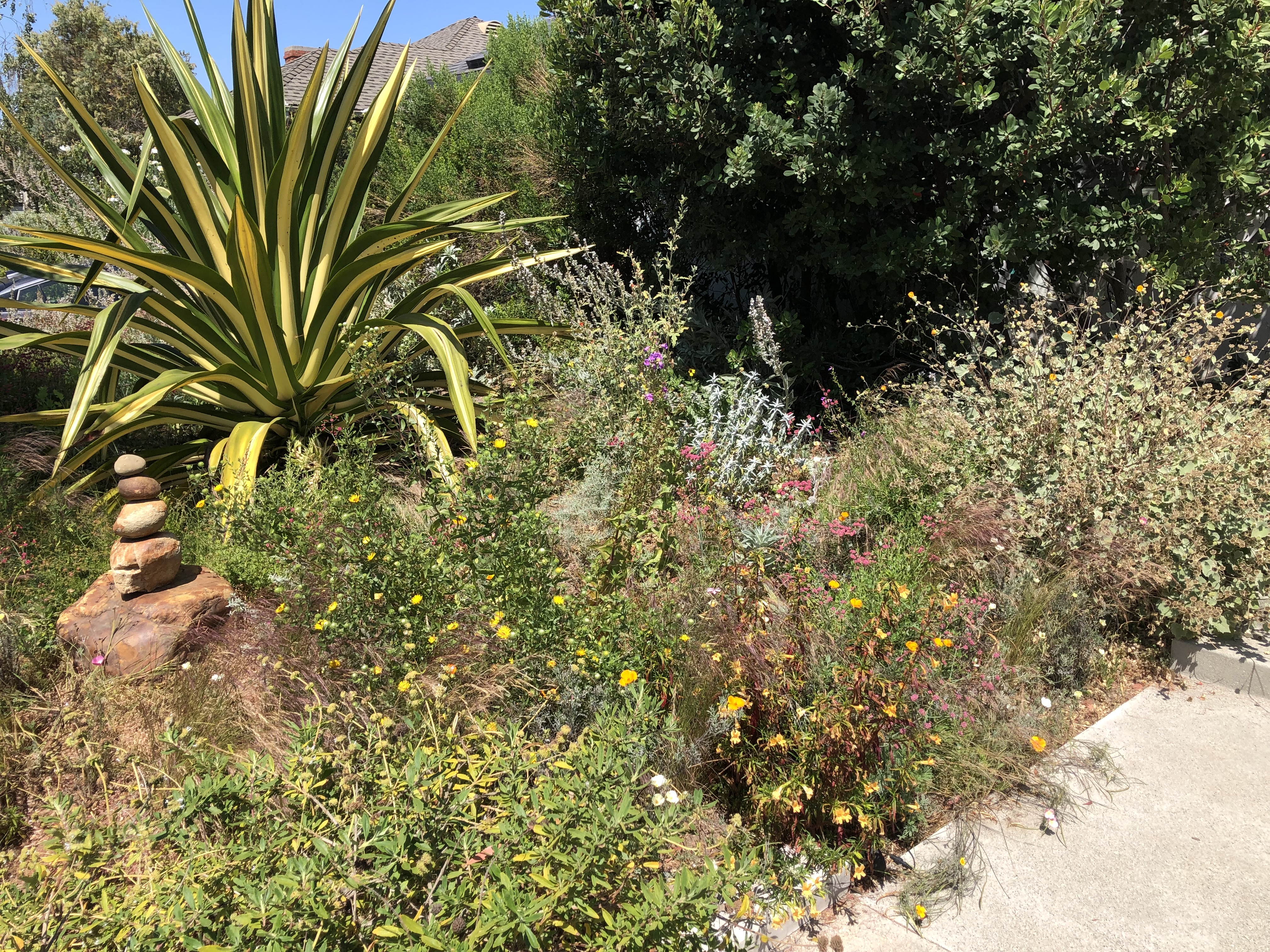
JUNE: Buckwheats and Grindelia firing up. Poppies are done, Monkeyflowers starting to go dormant. Garden is buzzing with bees.
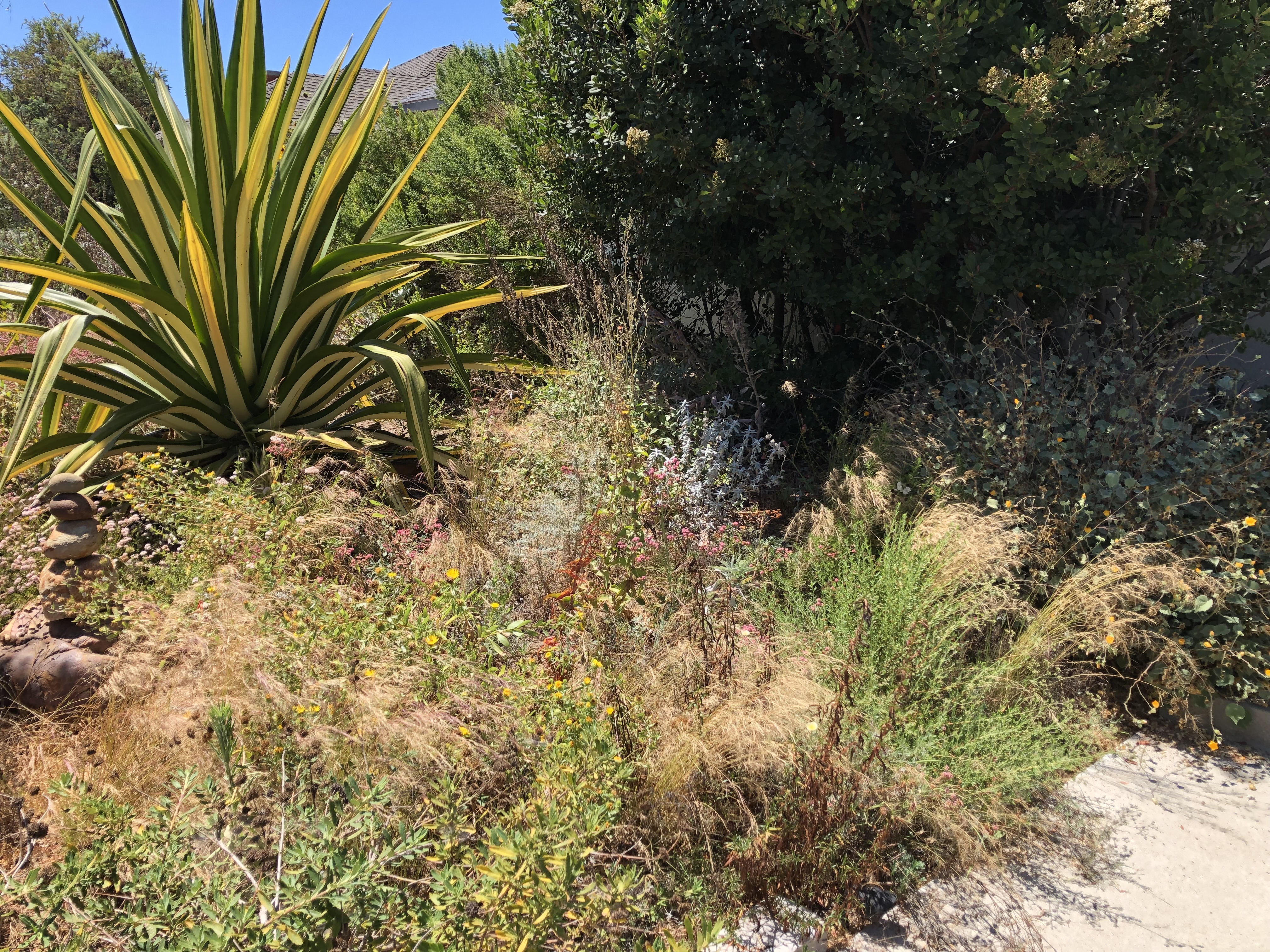
AUGUST: Deep summer dormancy with no recent rain and none on the horizon- the fifth season. Aristida purpurea a fuzzy gold cotton candy haze threading through the skeletal Grindelia, Buckwheats and Sages; Epilobium sensing its moment with buds starting to emerge.
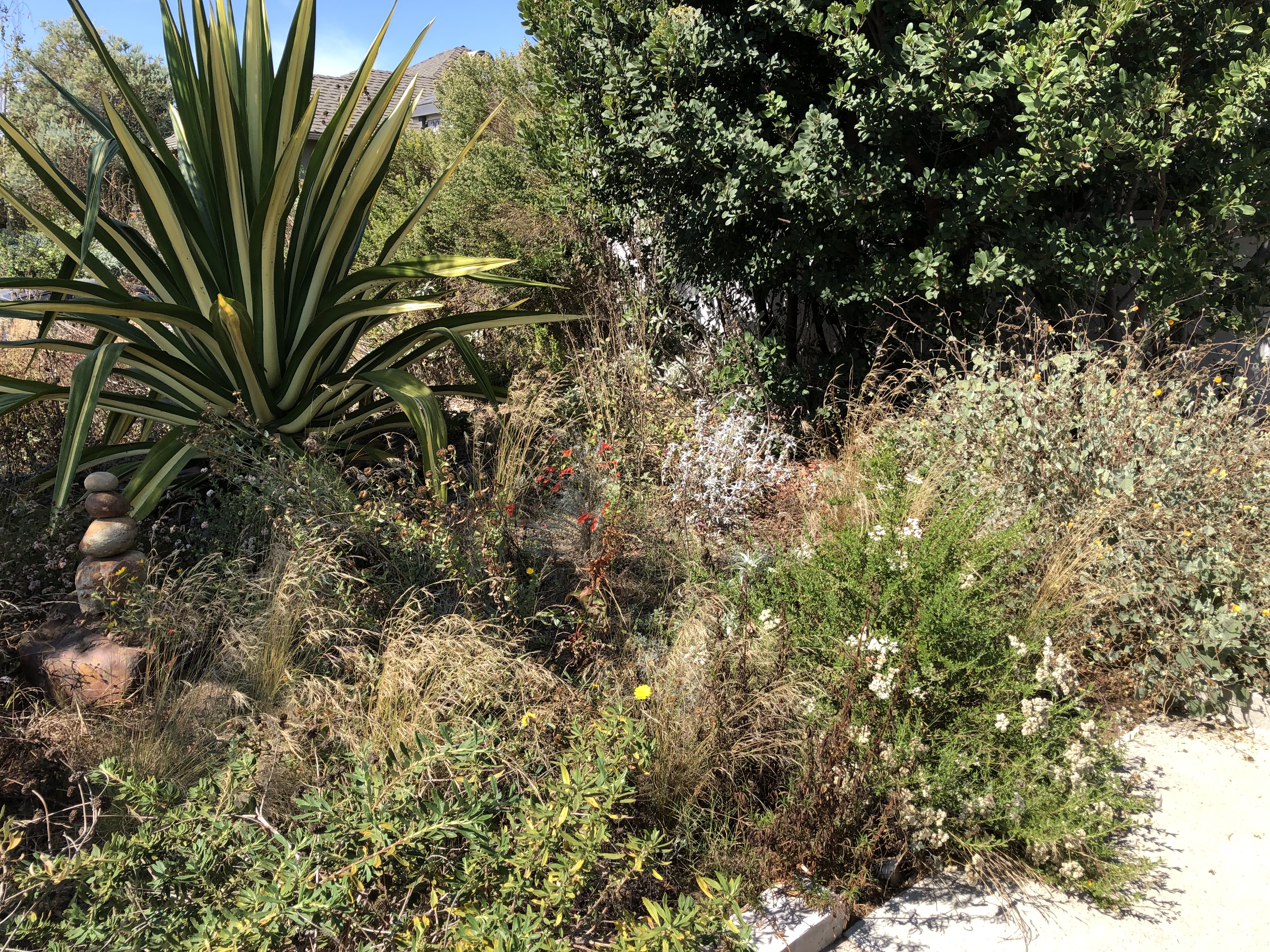
EARLY NOVEMBER: No real rain yet. Full dormancy, lots of brown, silver and gold. Epilobium, having peaked in October, is now starting to fade after providing late-season nectar to the hummingbirds.
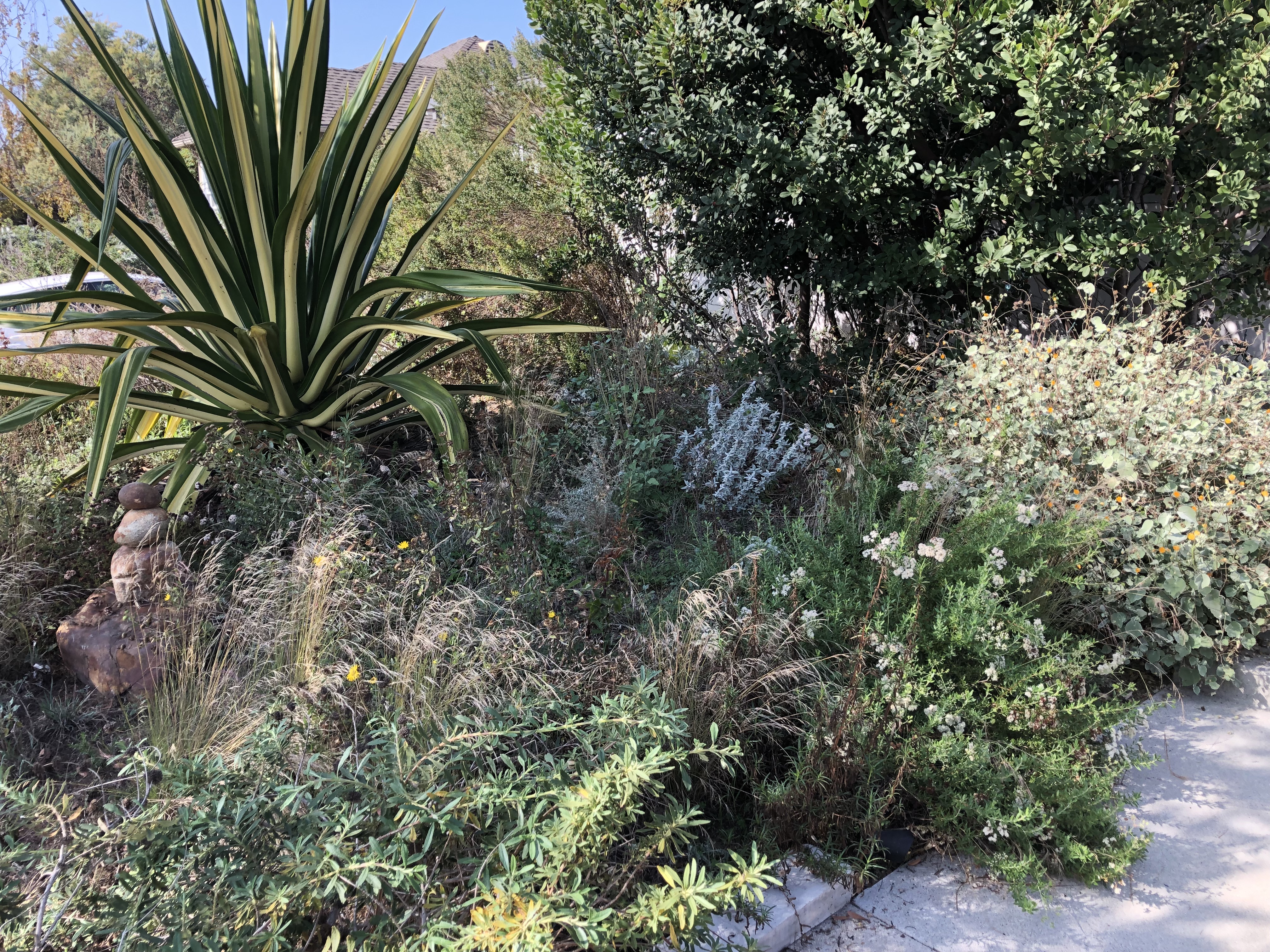
NOVEMBER 2 WEEKS LATER: Post-rain, photosynthesis starts right up, green leaves and stalks poking their heads up into the silvers and greys.
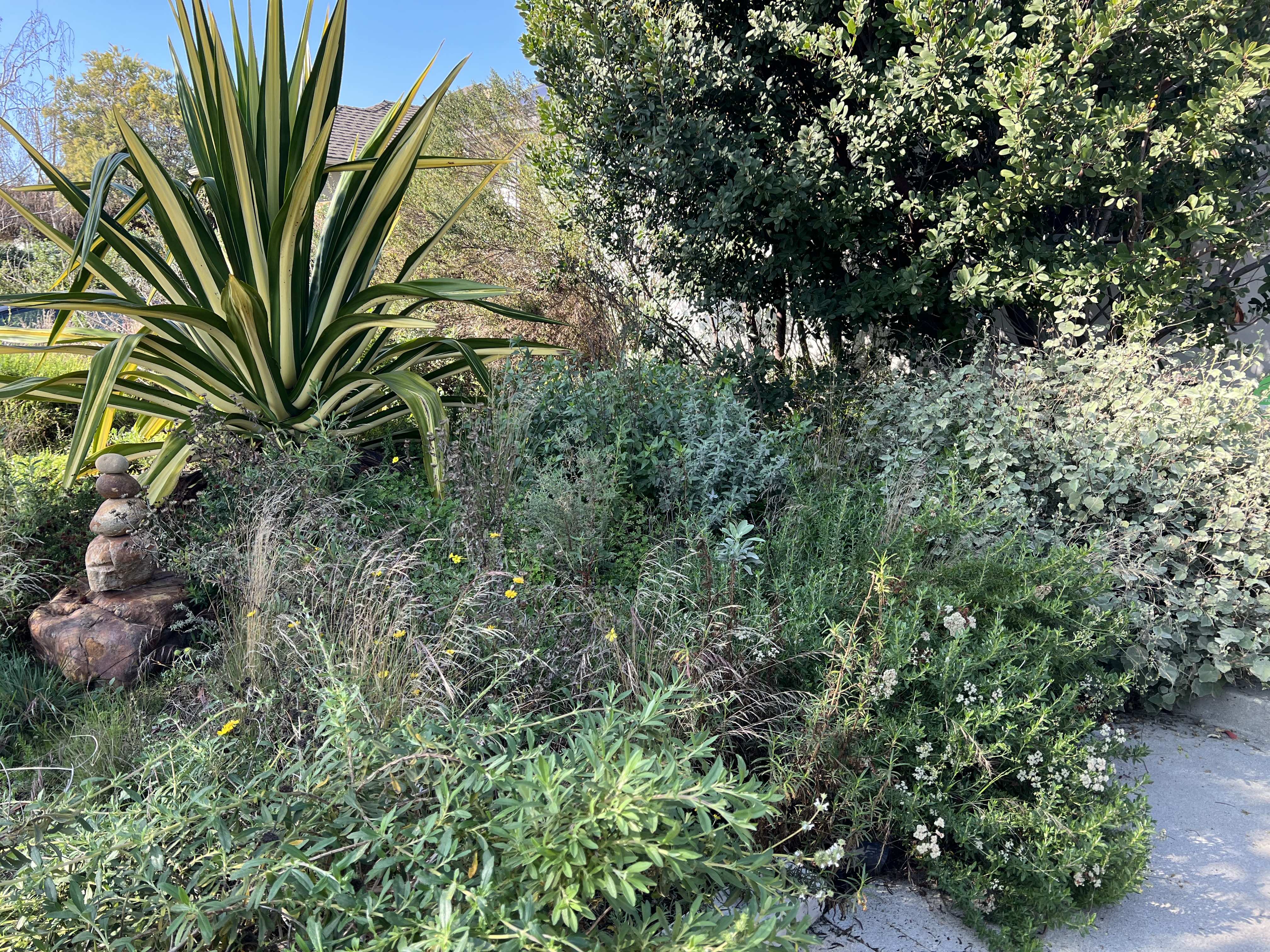
JANUARY: The sun is low in the sky. With recent heavy rains, everything is glowing with growth happening above and underground.
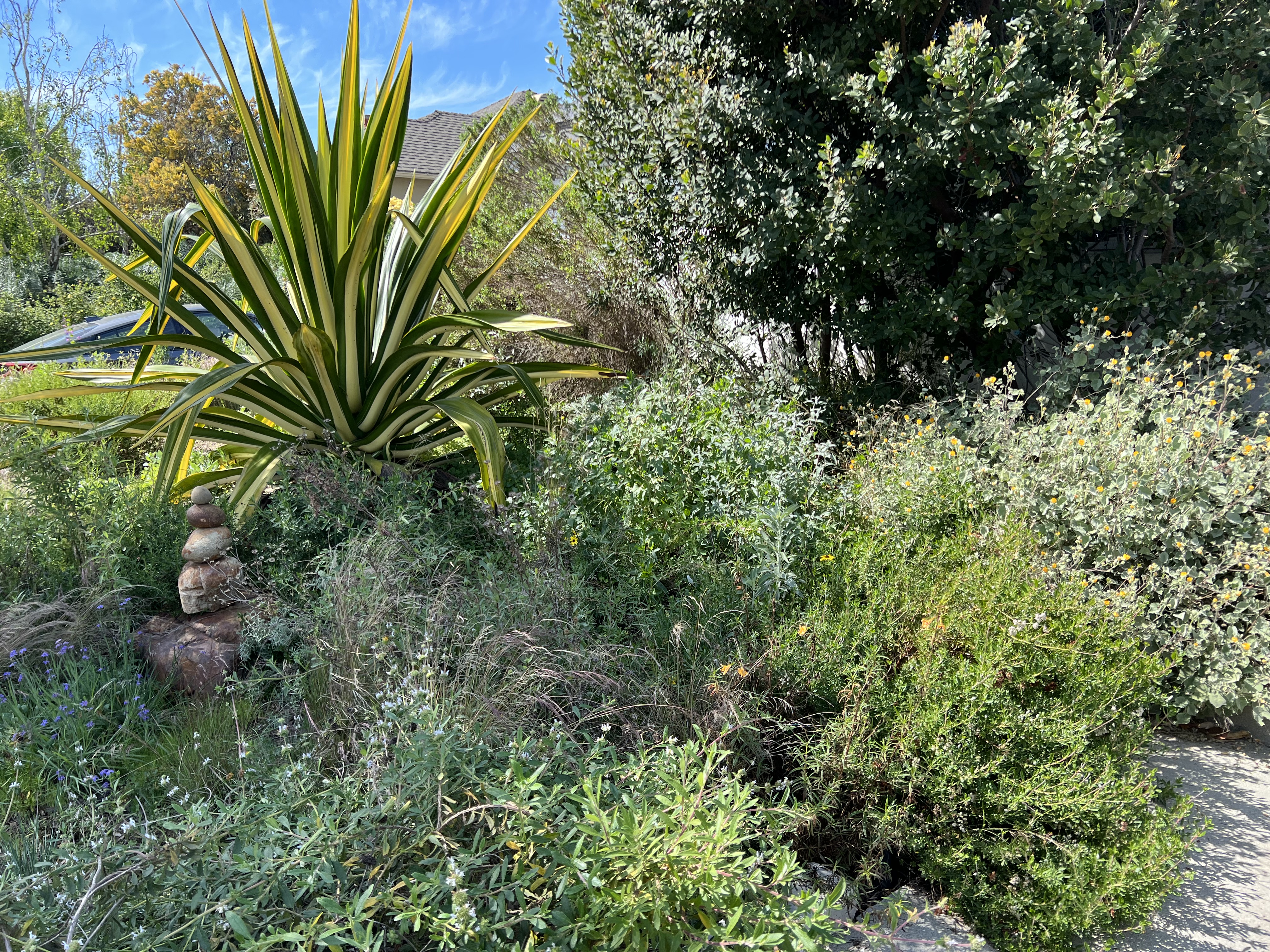
MARCH: Longer days and healthy soil fuels massive growth and infinite shades of green. Sysyrinchium bellum popping up on the left, Aristida purpurea flushing back to purple.